130 Years of the Louis Vuitton Monogram: How an Icon Became a Marketing Masterclass
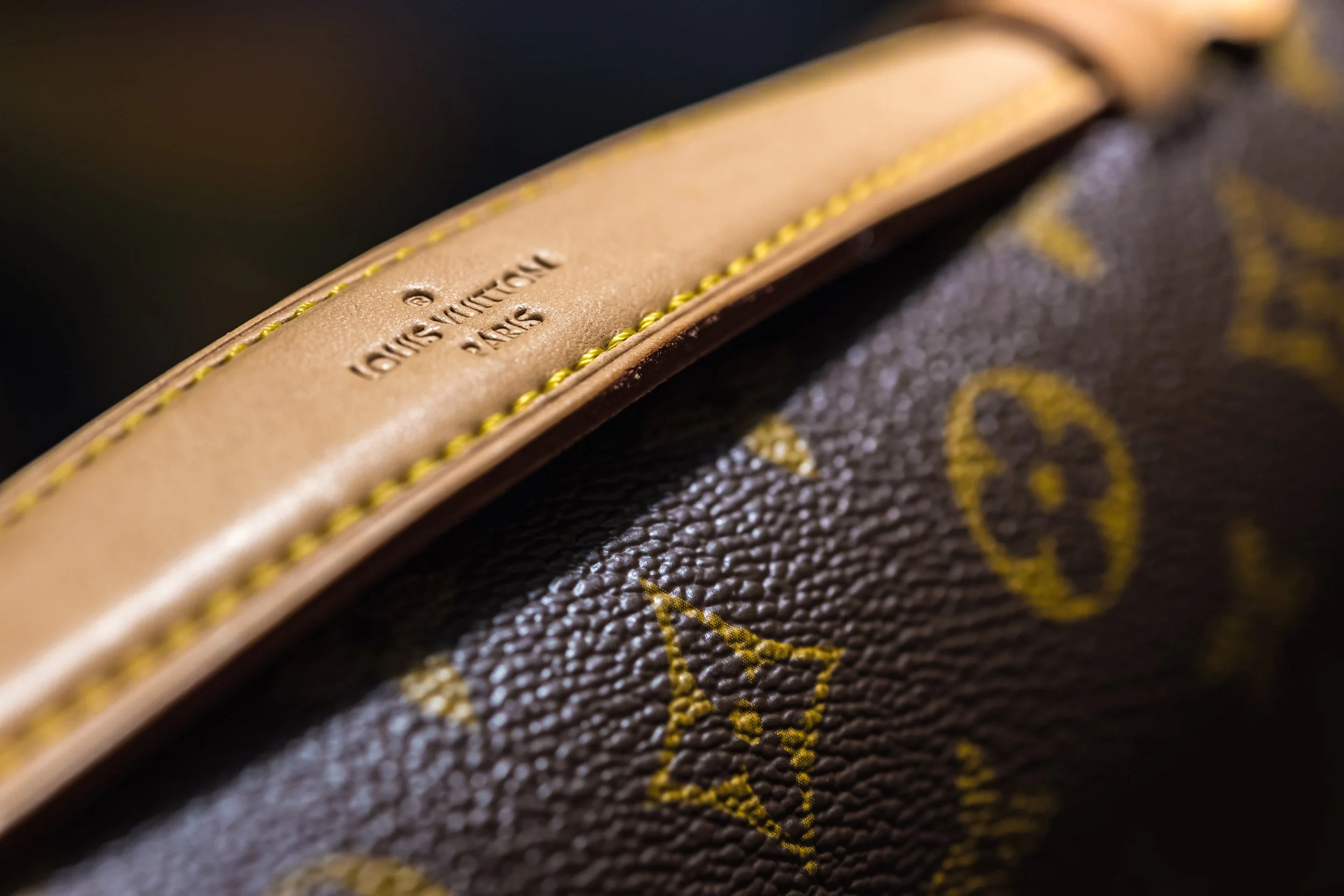
Celebrating heritage, scarcity and cultural power in the 130th anniversary Louis Vuitton monogram collection
The 130th anniversary of the Louis Vuitton monogram is more than a commemorative milestone. It is a strategic brand moment that reinforces heritage, deepens desirability, and launches a new anniversary range designed to convert nostalgia into commercial momentum. By celebrating its monogram through limited releases, storytelling, and cultural positioning, Louis Vuitton demonstrates how luxury houses can transform history into a living marketing asset.
When a brand turns 130, it is not merely counting candles. It is measuring cultural permanence. The Louis Vuitton monogram, first introduced in 1896 by Georges Vuitton to honour his father and to protect the house from counterfeiting, has evolved into one of the most recognisable visual signatures in modern luxury. To celebrate 130 years of this emblem is to celebrate the architecture of contemporary branding itself.
This anniversary is not an exercise in sentimentality. It is a carefully orchestrated marketing event. Louis Vuitton understands that heritage alone does not sustain relevance. Heritage must be activated, reframed and translated for a new generation of consumers who value both legacy and immediacy.
The monogram is not simply a pattern printed onto canvas. It is intellectual property, status signal, archive and aspiration combined. Few logos possess such global recognition across markets, age groups and price segments. From the classic Monogram Canvas to contemporary reinterpretations across ready to wear, accessories and leather goods, the motif has proven infinitely adaptable. That adaptability is precisely what makes this 130th celebration such a powerful marketing opportunity.
Luxury marketing thrives on three pillars: scarcity, story and symbolism. The 130th anniversary campaign deftly brings all three together.
First, story. The house revisits the origins of the monogram, reminding audiences that it was created to combat imitation at a time when trunk making was fiercely competitive. The floral motifs and interlocking initials were not decorative whims. They were protective measures, embedding authenticity into the surface of every piece. By retelling this origin story, Louis Vuitton reinforces its long standing battle against counterfeiting while positioning itself as the originator rather than the imitator.
Second, symbolism. The LV monogram represents travel, ambition and global citizenship. Historically associated with steamship trunks and transatlantic journeys, it has since become synonymous with upward mobility and achievement. The anniversary messaging leans into this symbolism, reframing the monogram not as a relic but as a living passport between eras.
Third, scarcity. The launch of a new anniversary range in honour of the 130th year capitalises on limited edition psychology. Capsule collections tied to milestones create urgency. Consumers understand that these pieces will not remain indefinitely available. The perceived rarity intensifies desire.
The new range unveiled to commemorate the anniversary revisits archival silhouettes while introducing modern finishes. Expect elevated leather trims, nuanced colour adaptations of the classic brown and gold palette, and subtle anniversary detailing that signals insider knowledge. Limited numbered editions and special packaging further heighten collectability. These details matter. In luxury, nuance communicates hierarchy.
From a marketing perspective, the anniversary range achieves several objectives simultaneously. It drives incremental revenue through special edition pricing. It encourages existing clients to re engage with the house. It attracts younger consumers who are drawn to heritage pieces framed within a contemporary narrative. And it stimulates secondary market activity, reinforcing the monogram’s investment value.
There is a broader strategic pattern here. Milestone marketing is not accidental. Brands increasingly leverage anniversaries to anchor campaigns within cultural calendars. A 130th celebration offers editorial hooks, social media storytelling opportunities, boutique activations and immersive exhibitions. It provides a reason to speak loudly without appearing self congratulatory.
Louis Vuitton excels at choreographing such moments across channels. In store installations emphasise craftsmanship. Digital content revisits archival sketches and ateliers. Influencers and cultural ambassadors style anniversary pieces in modern settings, proving that the monogram transcends time. The result is an ecosystem rather than a single campaign.
From an SEO and brand visibility standpoint, anniversary milestones generate search spikes. Consumers search for terms related to the Louis Vuitton monogram history, limited edition releases, anniversary collection pieces and investment value. By aligning product launches with these organic search behaviours, the house ensures that heritage becomes discoverable in the digital age.
Importantly, this is not mere nostalgia marketing. Nostalgia can be passive. This campaign is active. It reframes the monogram as both historical artefact and future facing design language. That duality is essential. Luxury consumers today expect continuity without stagnation.
Consider the psychology at play. A customer purchasing from the 130th anniversary range is not only acquiring an object. They are buying into a timeline. They become part of a narrative that stretches back to nineteenth century Paris. Ownership becomes participation.
The monogram itself has always walked a delicate line between ubiquity and exclusivity. It is globally recognisable, yet access remains financially gated. Anniversary marketing reinforces this balance. By elevating the monogram through curated storytelling and controlled supply, Louis Vuitton prevents overexposure from eroding prestige.
There is also an internal brand function. Milestone celebrations unify teams around legacy. They provide creative direction anchored in authenticity. For a house with global scale, such anchoring is vital. It ensures that expansion does not dilute identity.
From a cultural perspective, the monogram has endured waves of reinterpretation. It has appeared in collaborations, artistic interventions and streetwear inflected collections. Each reinvention has tested the resilience of the core motif. The fact that it remains desirable 130 years later is testament to disciplined brand stewardship.
One might argue that anniversary marketing risks over reliance on history. Yet when executed with sophistication, it does the opposite. It provides proof of longevity in a market saturated with ephemeral brands. In an era where new labels emerge overnight through social media, a 130 year lineage signals stability.
Financially, heritage translates into pricing power. Consumers justify premium price points when they perceive continuity, craftsmanship and cultural weight. The anniversary range strengthens this perception. Special editions remind the market that Louis Vuitton is not chasing trends. It is defining eras.
There is also a defensive element. By spotlighting the origins of the monogram, the house subtly reinforces intellectual property ownership. In a landscape where logo culture has been widely replicated, reclaiming narrative authority protects equity.
For the broader luxury industry, the 130th anniversary serves as a case study in strategic celebration. Not every brand can claim such longevity. But those that can must treat milestones as growth levers rather than ceremonial footnotes.
Ultimately, the success of the campaign lies in its coherence. The monogram’s history, the anniversary storytelling and the new limited range align seamlessly. There is no contradiction between past and present. Instead, there is continuity sharpened by modern execution.
The enduring lesson is clear. A logo is not powerful because it is repeated. It is powerful because it carries meaning. Louis Vuitton has spent 130 years ensuring that its monogram stands for travel, ambition, craftsmanship and aspiration. The anniversary celebration simply illuminates what was already embedded.
As luxury becomes increasingly experiential and digitally mediated, the ability to transform heritage into contemporary relevance will determine which houses endure. In celebrating 130 years of the monogram, Louis Vuitton demonstrates that history, when carefully curated, is not a constraint. It is competitive advantage.
The monogram remains not just a symbol of the house, but a symbol of how branding at its highest level operates. Timeless yet timely. Familiar yet scarce. Historic yet commercially agile. That is the true achievement being celebrated.
FAQ’s
What is the significance of the 130th anniversary of the Louis Vuitton monogram?
The anniversary marks 130 years since the creation of the monogram in 1896. It highlights the brand’s longevity, reinforces heritage positioning and serves as a strategic marketing milestone.
What is included in the new anniversary range?
The range includes limited edition reinterpretations of classic monogram pieces, updated finishes, special detailing and collectible packaging designed to elevate desirability and exclusivity.
Why do luxury brands celebrate anniversaries through product launches?
Anniversaries create natural storytelling opportunities. Limited edition launches tied to milestones drive urgency, reinforce heritage and generate renewed consumer engagement.
How does milestone marketing benefit a luxury brand?
It strengthens brand equity, boosts visibility, increases sales through special editions and reinforces long term cultural relevance.
Why is the Louis Vuitton monogram considered iconic?
It combines recognisable design, historical significance and consistent brand stewardship. Over time it has become a global symbol of travel, aspiration and craftsmanship.